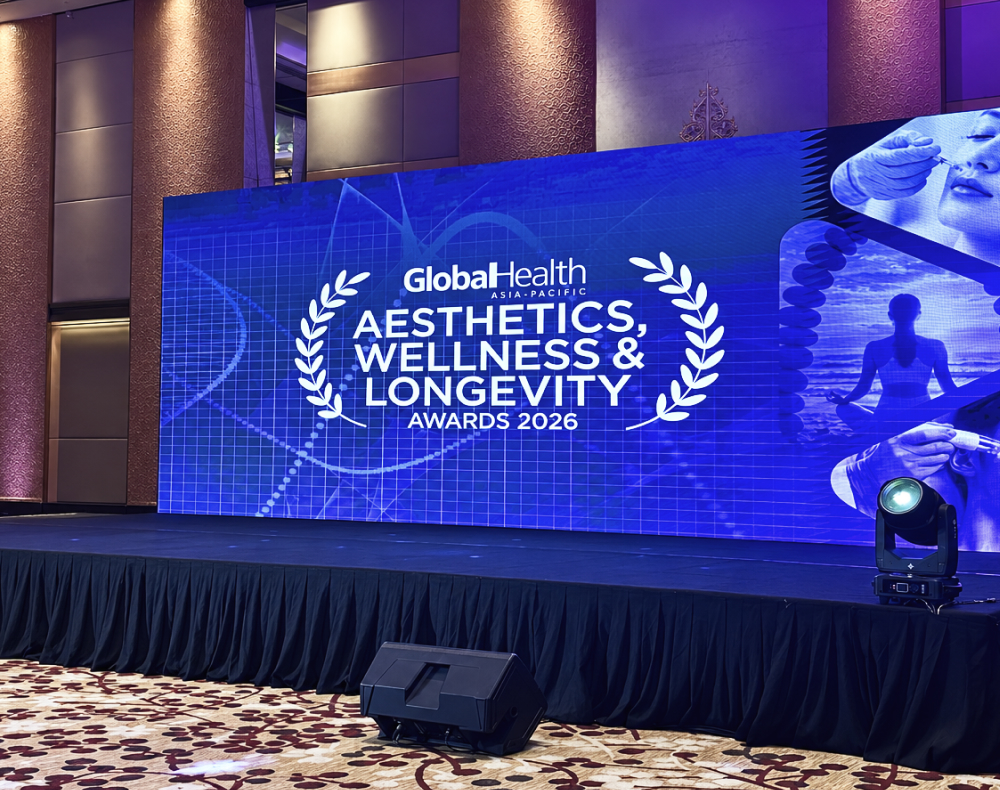
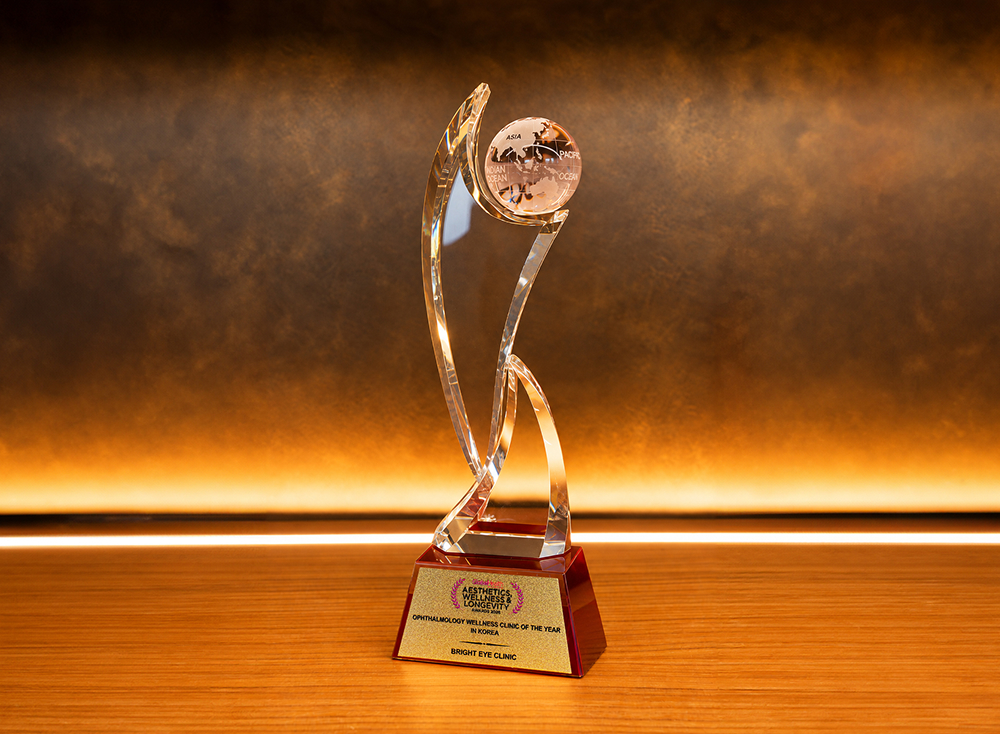
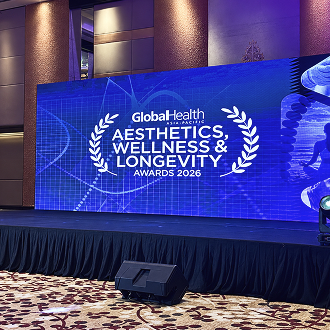
Global Health Asia-Pacific Awards 2026 Bright Eye Clinic, Winner of 「 Ophthalmology wellness clinic of the year in Korea 」
Highly recognized for international patient care, premium cataract surgery, and systematic patient management.
Bright Eye Clinic has been recognized for its care for patients from diverse countries and its systematic approach to patient management, earning the “Ophthalmology Provider of the Year” award at the 2026 GlobalHealth Asia-Pacific Awards. The awards recognize healthcare institutions that consistently maintain high standards of clinical quality and deliver outstanding patient experiences throughout the entire healthcare journey.
Patients from around the world visit Bright Eye Clinic for vision correction, presbyopia, and cataract treatment. For premium cataract surgery, the clinic uses high-end intraocular lenses (IOLs) and surgical materials from leading global ophthalmic and medical device companies, selecting products and treatment plans tailored to each patient’s eye condition, lifestyle, and visual needs.
Bright Eye Clinic’s commitment to preserving long-term eye health aligns with the values of wellness and longevity, which focus on healthy aging and an improved quality of life. We will continue to enhance the quality of our medical care and services so that every patient, both in Korea and around the world, can enjoy clearer vision and a brighter everyday life for years to come.
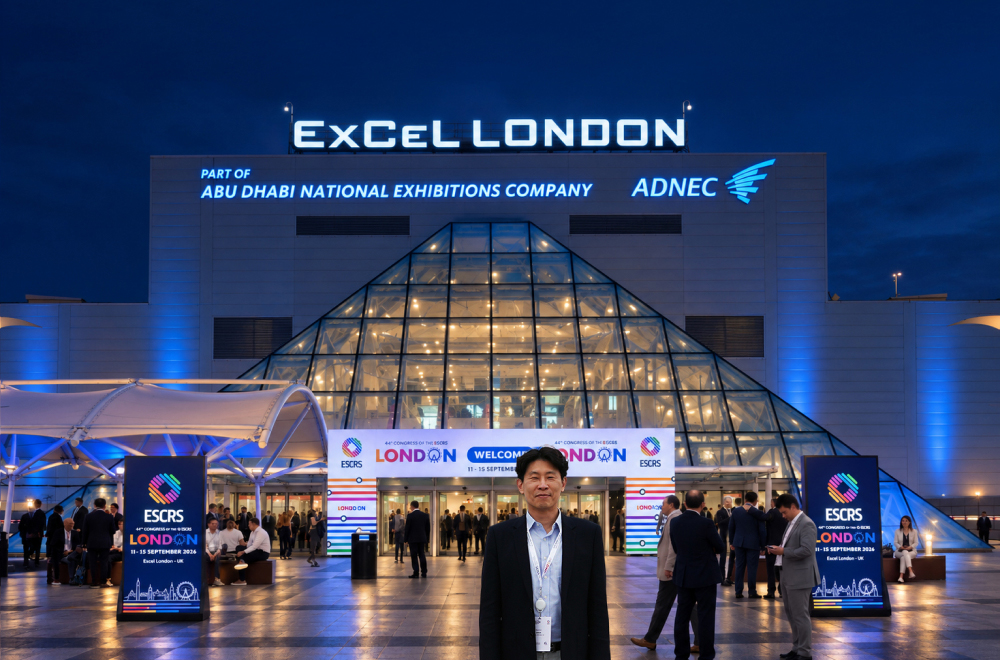
Bright Eye Clinic at the
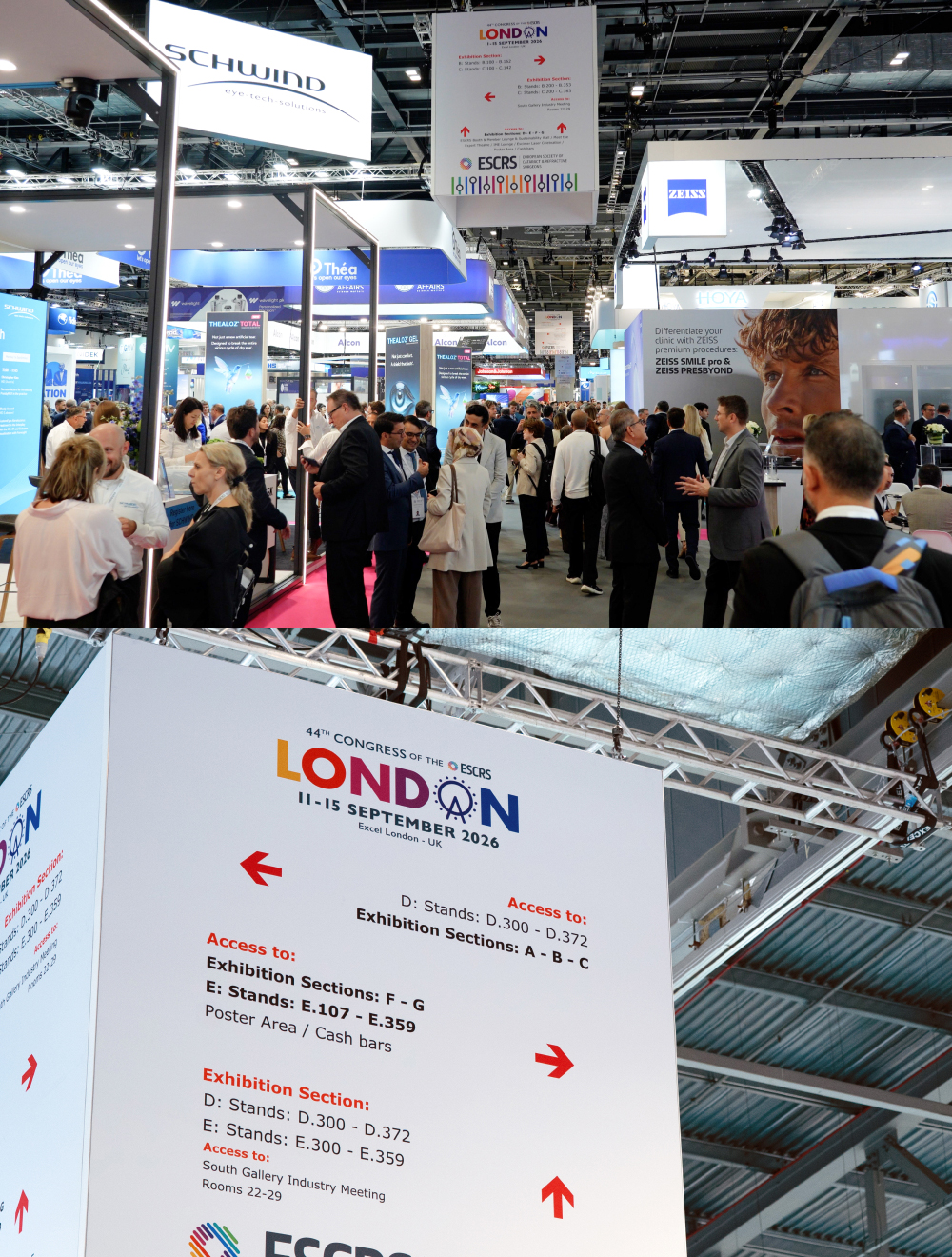
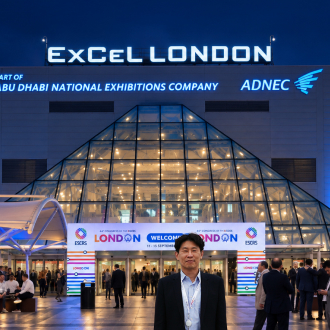
44th Congress of the ESCRS Excel London · UK
Research and innovation for better vision, Together with the world
Bright Eye Clinic's Chief Medical Director Dr. Hyun-Chul Cheon attended the 44th Congress of the European Society of Cataract and Refractive Surgeons (ESCRS 2026), held in London, UK, where he shared the research and clinical achievements he has accumulated over the years with ophthalmologists from around the world. Through various academic programs and professional exchanges, he also had the opportunity to explore the latest research trends and gain new clinical insights in the fields of cataract and refractive surgery, making it a meaningful experience to stay connected with the evolving landscape of global ophthalmology.
Chapter. 1 A New Standard in Cataract Treatment
Chief Medical Director Dr. Hyun-Chul Cheon attended ESCRS 2026, where he exchanged insights with global ophthalmologists and industry professionals on the latest cataract surgery technologies, criteria for selecting intraocular lenses, and the quality of vision after surgery.
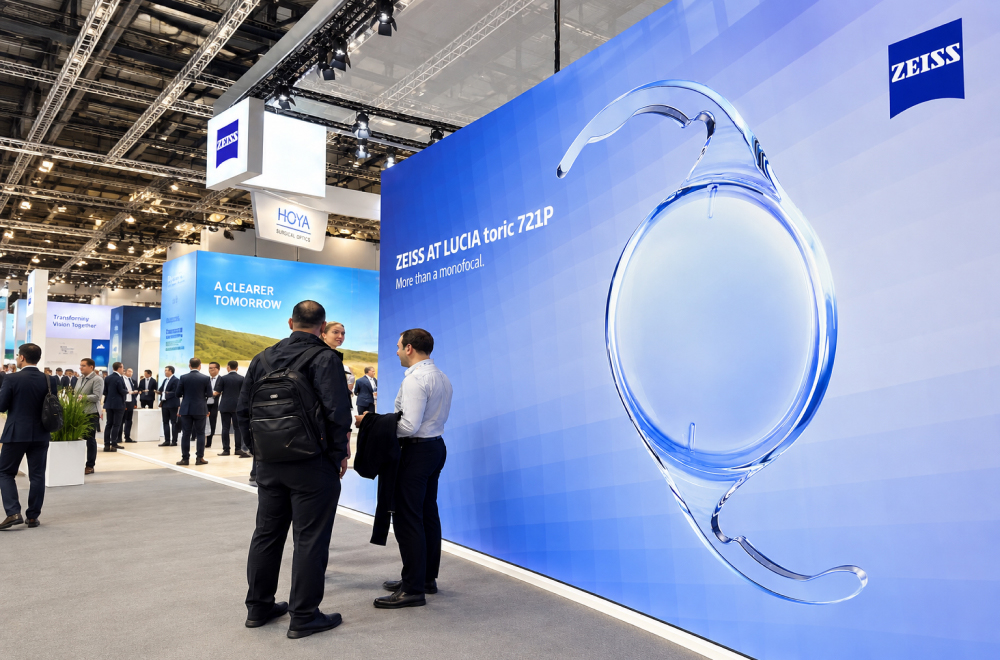
1-1. ZEISS | LUCIA IOLs and Precision Cataract Surgery
ZEISS LUCIA intraocular lenses are designed to provide clear monofocal vision and stable surgical outcomes. At Bright Eye Clinic, we establish personalized treatment plans by comparing a range of intraocular lens options, including LUCIA, based on detailed examination results and each patient’s visual needs.
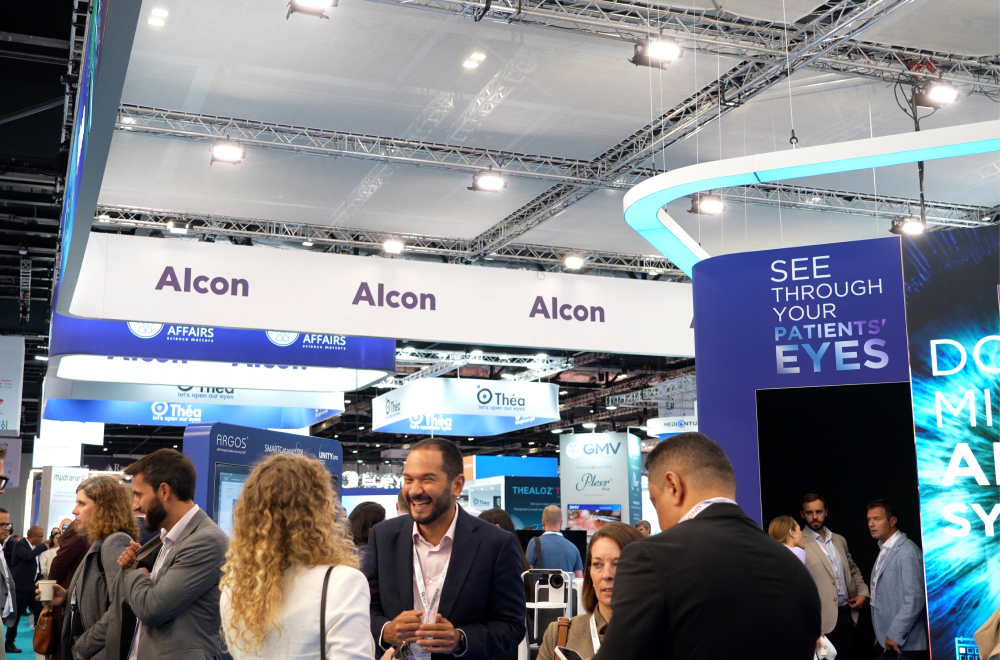
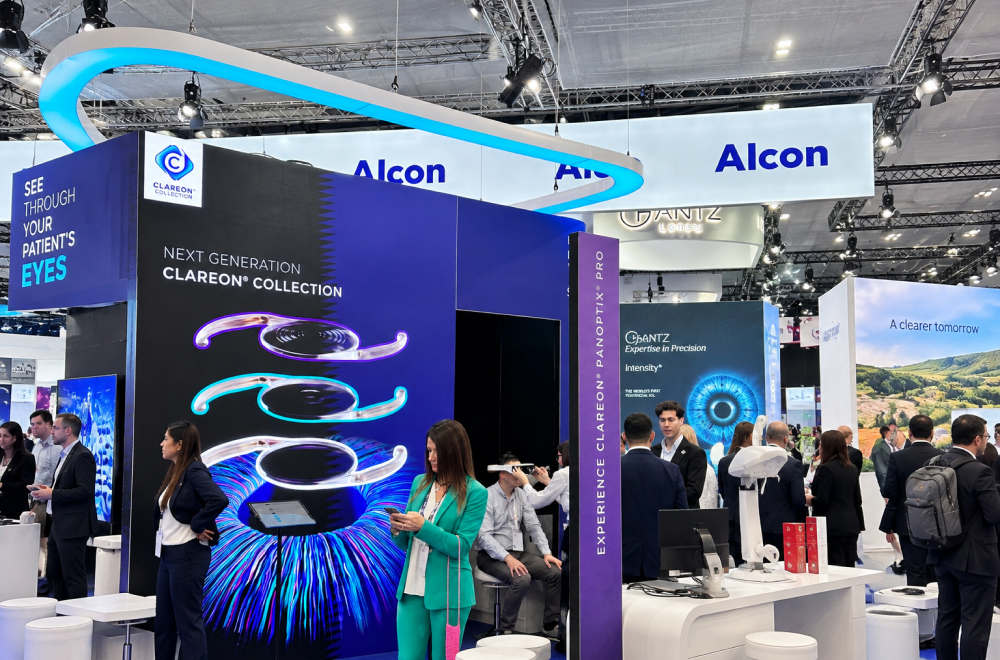
1-2. Alcon | Clear and Comfortable Vision with Clareon
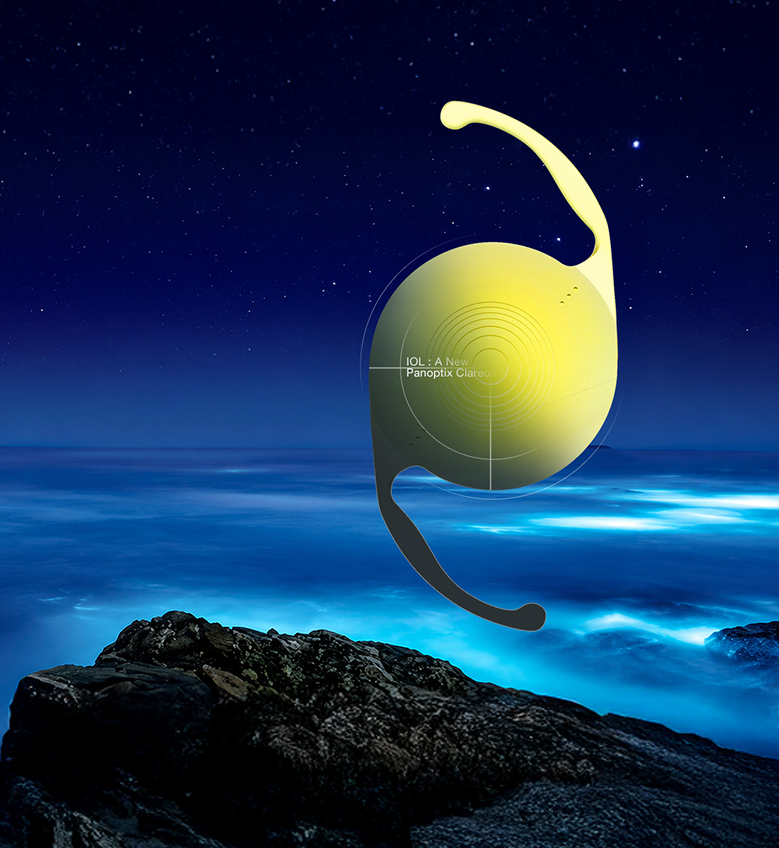
The Alcon Clareon PanOptix Pro intraocular lens is designed to provide clear vision and stable lens performance, with a high light utilization rate of 93%. Bright Eye Clinic is the ophthalmology clinic that uses Clareon PanOptix Pro most extensively in Korea. We consider each patient’s lifestyle, visual goals, and sensitivity to visual disturbances such as glare and halos when planning surgery.
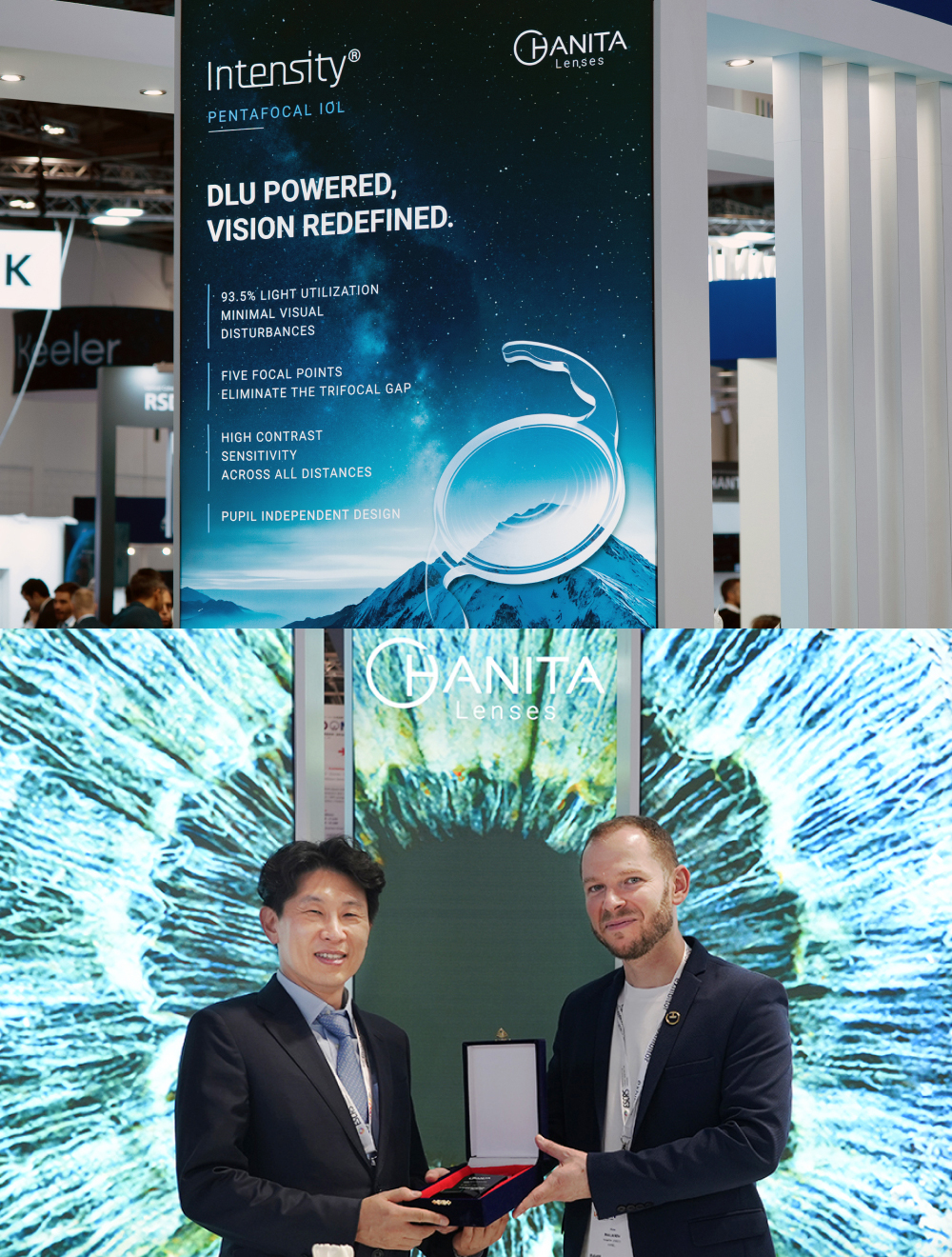
1-3. Hanita | A Wide Range of Vision from Distance to Near
Bright Eye Clinic has been officially certified as a Hanita Lenses ‘Intensity Global Center.’ Intensity is a multifocal intraocular lens designed to provide a broad range of vision from distance to intermediate and near. Bright Eye Clinic evaluates each patient’s eye condition, lifestyle, and potential for visual disturbances to determine whether a multifocal lens is appropriate.
Chapter. 2 The Latest Technologies and Clinical Experience in Vision Correction
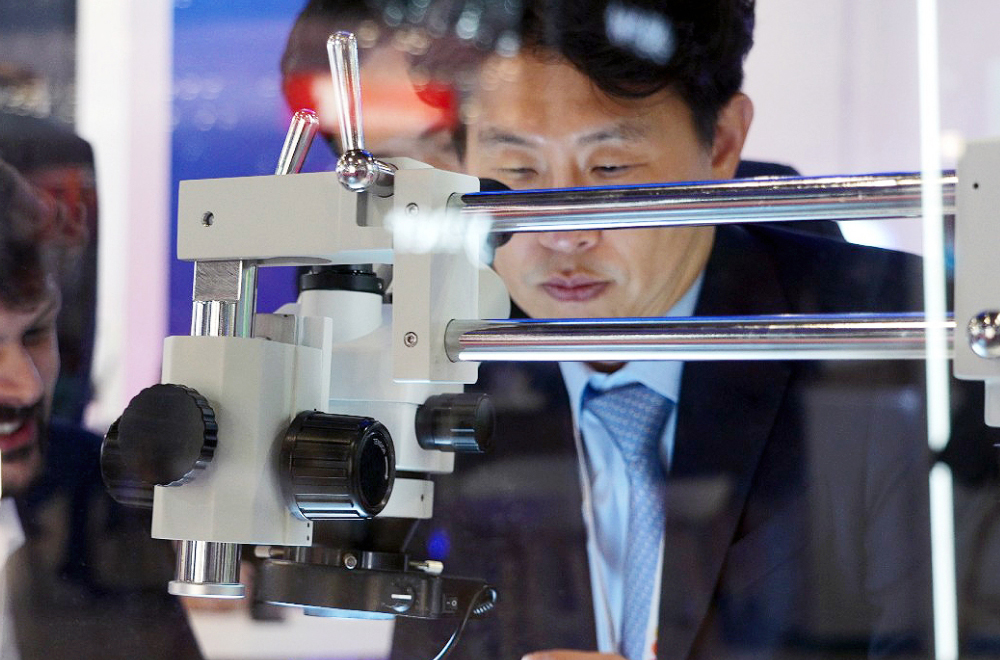
At ESCRS 2026, Dr. Hyun-Chul Cheon reviewed the latest technologies and clinical trends in laser vision correction, including SMILE Pro, as well as implantable lens procedures (ICL). He also exchanged insights with ophthalmologists from around the world on real-world clinical experience and surgical outcomes.
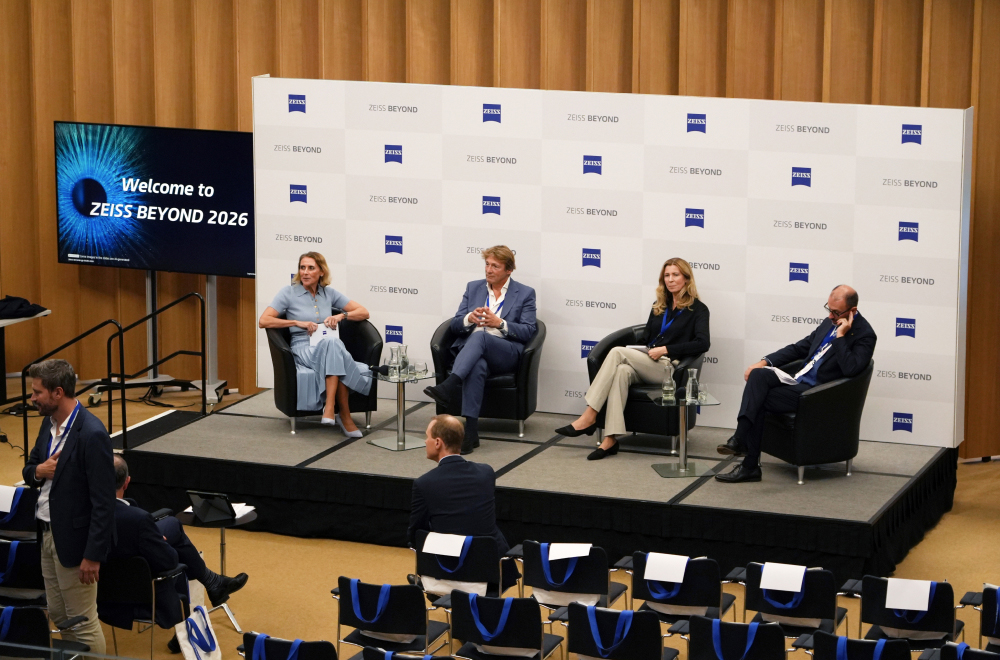
2-1. ZEISS | SMILE Pro and Precision Vision Correction
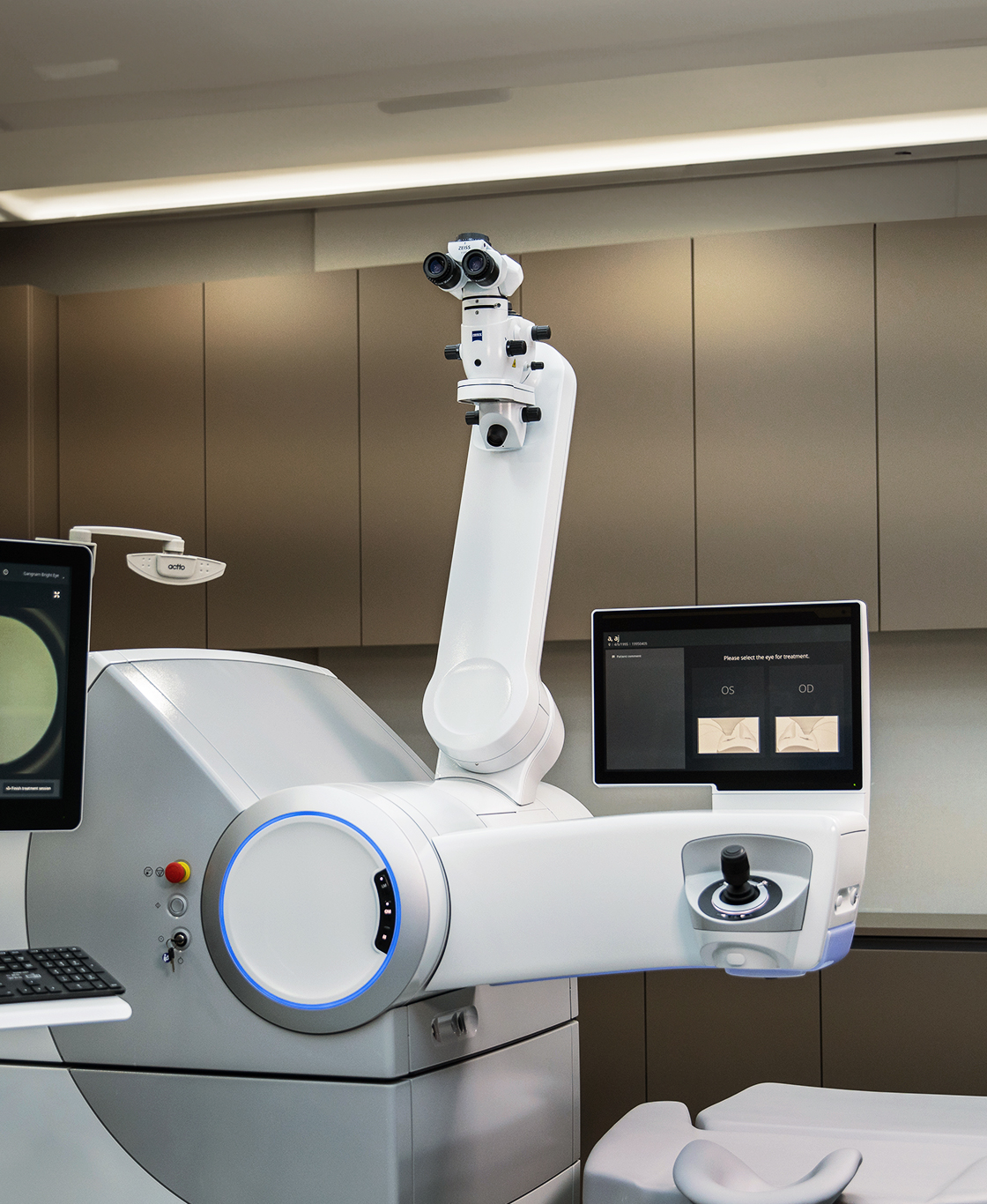
Dr. Hyun-Chul Cheon attended the ZEISS BEYOND Event, where he shared clinical insights from 150,000 SMILE procedures, along with the latest technologies in refractive surgery, including SMILE Pro. SMILE Pro is a lenticule extraction vision correction procedure based on the ZEISS VISUMAX 800. Careful analysis of each patient’s eye condition and corneal characteristics is essential when determining the most appropriate surgical method.
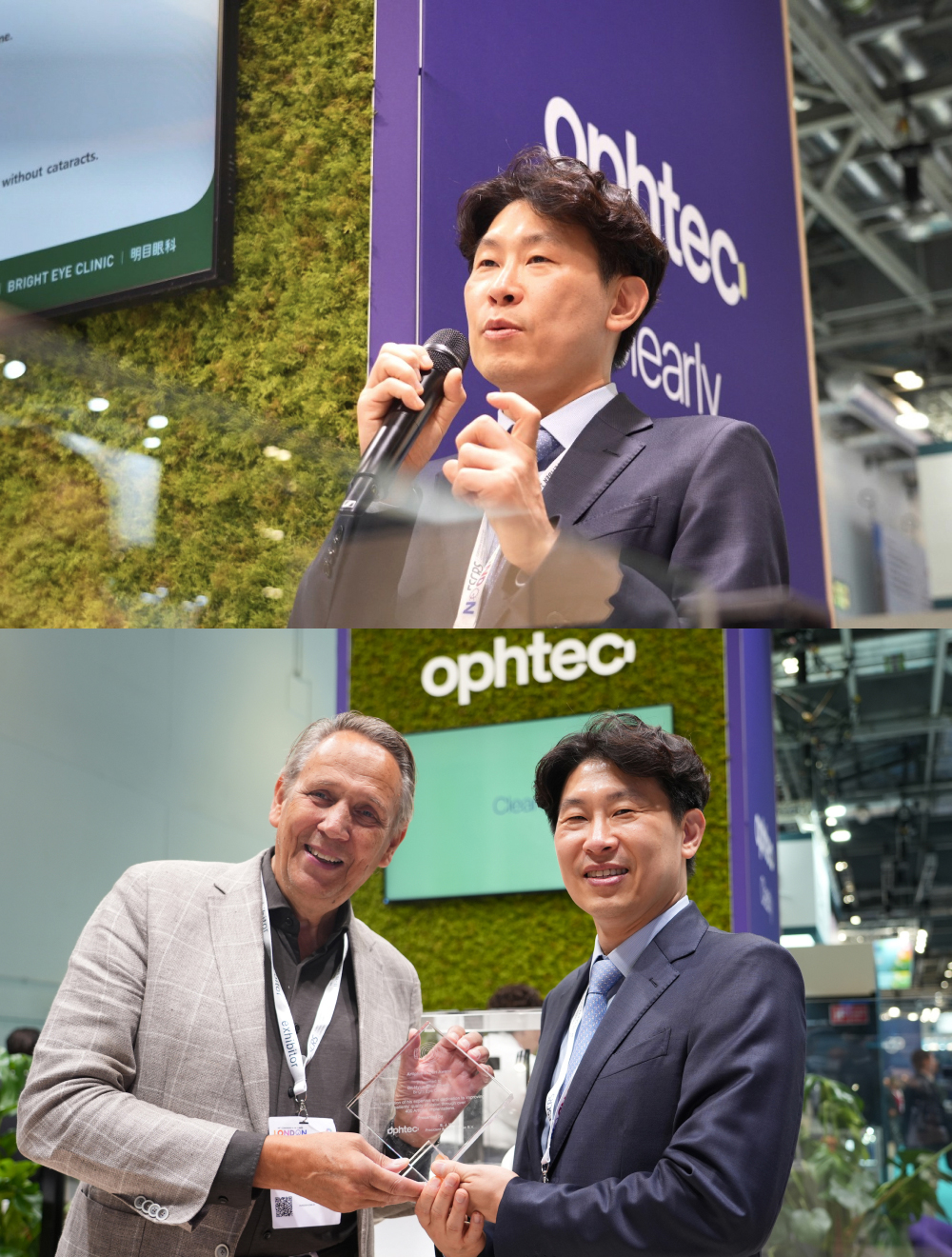
2-2. OPHTEC | Artiplus, Lens Implantation for Young Presbyopes
Dr. Hyun-Chul Cheon was invited as an official speaker for OPHTEC’s Expert Talk, where he shared his clinical experience and surgical insights on treating young presbyopia patients using Artiplus under the topic, “Artiplus: Treat young presbyopes while preserving the natural eye.” In recognition of his clinical experience, contribution to the treatment of presbyopia patients, and achievement of 400 Artiplus procedures, he received the OPHTEC ‘Artiplus Expert Award.’
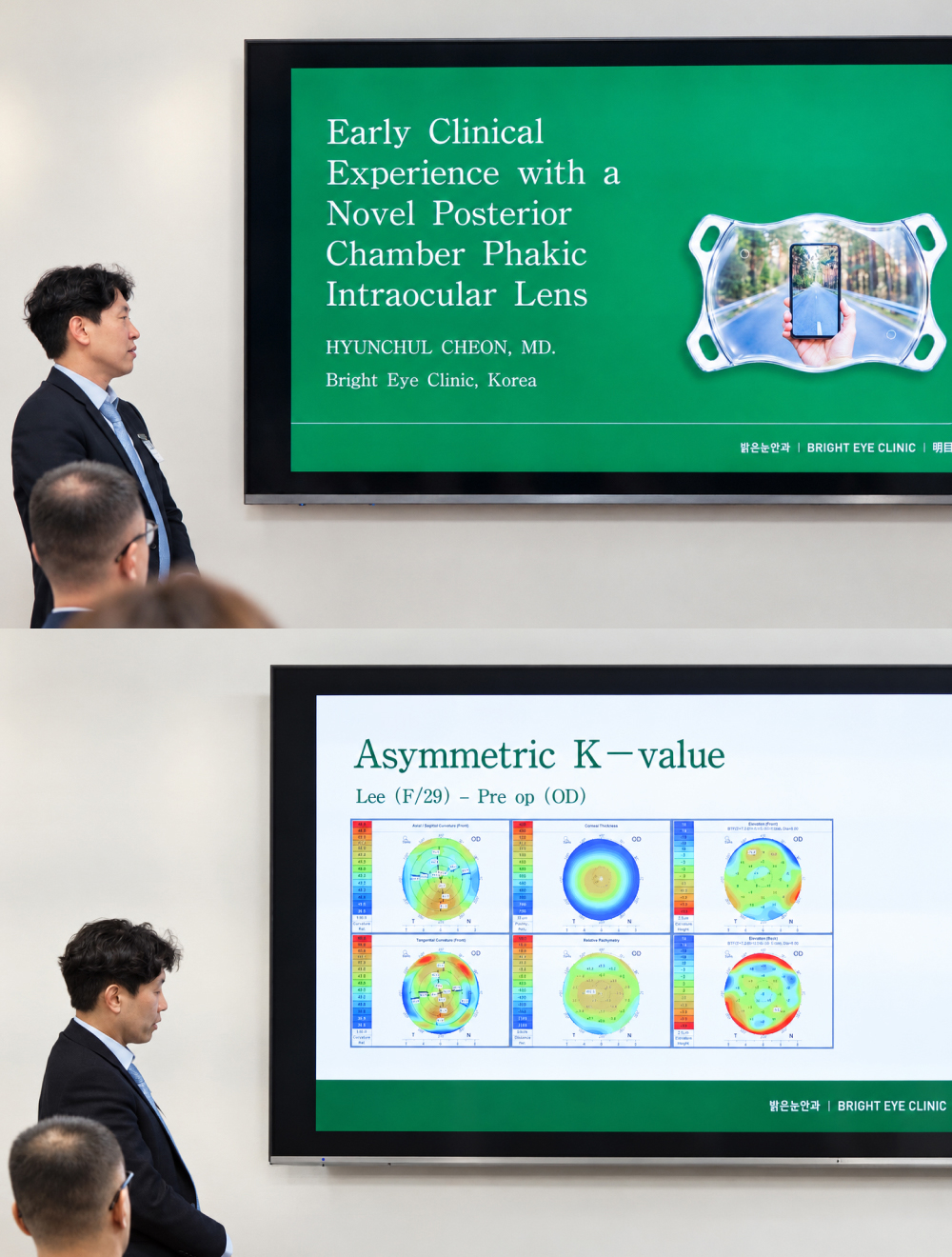
2-3. KORYO EYETECH | Clinical Presentation on the KPL Posterior Chamber Phakic IOL
Dr. Hyun-Chul Cheon presented on Koryo Eyetech’s KPL posterior chamber phakic intraocular lens under the title, “Early Clinical Experience with a Novel Posterior Chamber Phakic Intraocular Lens.” He shared his early clinical experience and surgical outcomes with this new posterior chamber phakic IOL with ophthalmologists from Korea and around the world.
Bright Eye Clinic will continue to build on its ongoing research and extensive clinical experience to share new insights with ophthalmologists around the world and remains committed to continuous research in pursuit of better vision correction care.
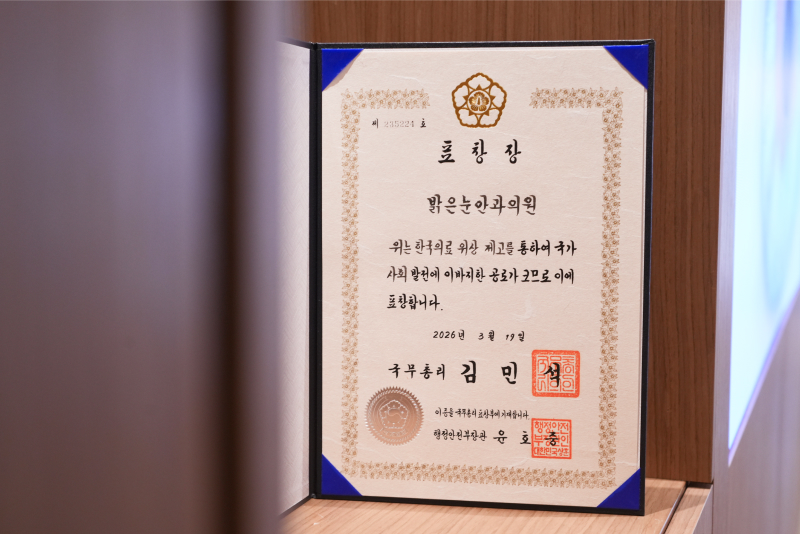
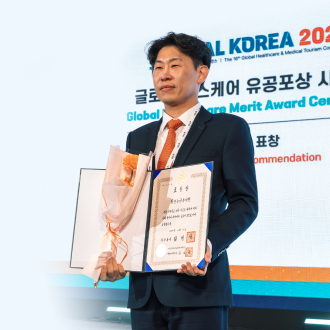
Bright Eye Clinic Gangnam Recipient of the Prime Minister’s Commendation Medical Korea 2026
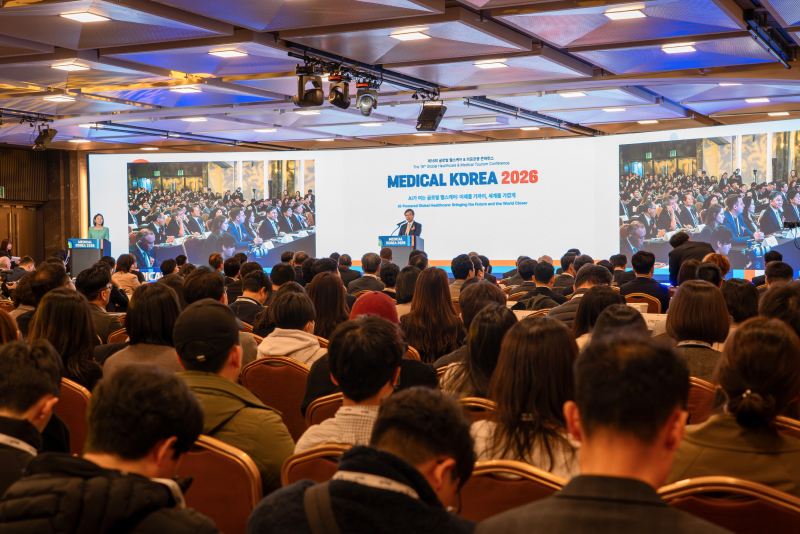
Bright Eye Clinic Gangnam has enhanced the global standing of K-Vision through its certification under the KAHF evaluation program for medical institutions attracting international patients. By providing standardized medical services and high-quality vision correction treatments to international patients, we have contributed to promoting the excellence of Korea’s ophthalmic care worldwide.
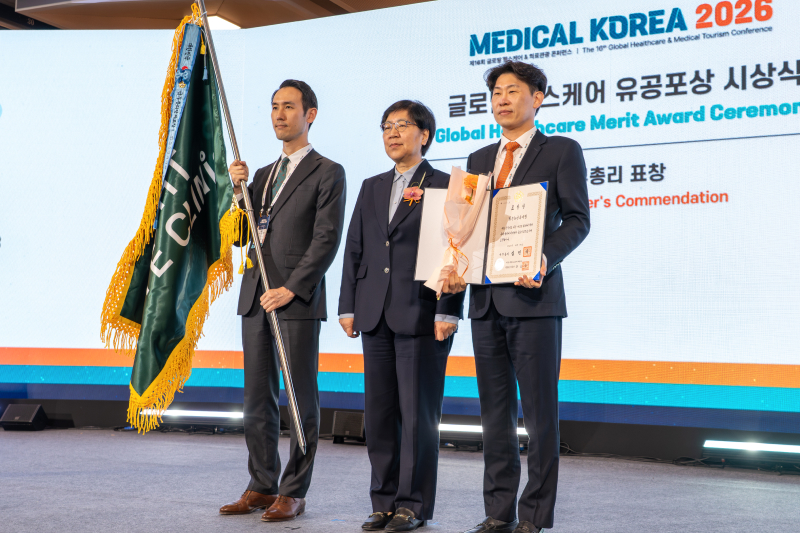
In addition, we have actively contributed to the advancement of global medical exchange by hosting numerous international seminars and showcasing the high standards of Korea’s vision correction technology.
In recognition of these contributions, Bright Eye Clinic Gangnam was honored with the Prime Minister’s Commendation of the Republic of Korea. Moving forward, we will continue to uphold our patient-centered philosophy and strive to provide safe, reliable, and trusted medical care.
Hanita Intensity Symposium Highlights the Launch of the World’s First 5-Focus Intraocular Lens


On July 11, Bright Eye Clinic Gangnam hosted the Hanita Intensity Intraocular Lens Symposium, titled “The Five-Focus Future: A New Vision in IOL Technology.

Intensity
Intensity utilizes advanced Dynamic Light Utilization (DLU) technology to deliver superior visual quality under various lighting conditions, times of day, and focal ranges — surpassing traditional trifocal intraocular lenses and enhancing overall patient satisfaction.

Presentation by World-Renowned Intraocular Lens Expert Gerd U. Auffarth
Professor Auffarth—recognized as one of the world’s top 10 ophthalmologists in the field of cataract and refractive surgery—delivered a presentation on the clinical research findings of the Intensity intraocular lens, highlighting the dawn of a new era led by 5 focal IOL technology.

After touring Bright Eye Clinic, which houses the largest surgical facilities in Korea, Professor Auffarth remarked that it is “a facility and medical team optimized for cataract treatment.” Professor also engaged in extensive technical exchange with the clinic’s ophthalmologists during his visit.

Bright Eye Clinic continues to invest generously in new technologies as it grows into a leading global eye center. With the launch of the “The Five-Focus Future: A New Vision in IOL Technology” symposium, we are committed to actively adopting 5 focal lens technology—so that our patients can experience life’s most precious moments with uninterrupted clarity.
The only KAHF-accredited ophthalmology clinic in Seoul
A trusted leader in the treatment of international patients

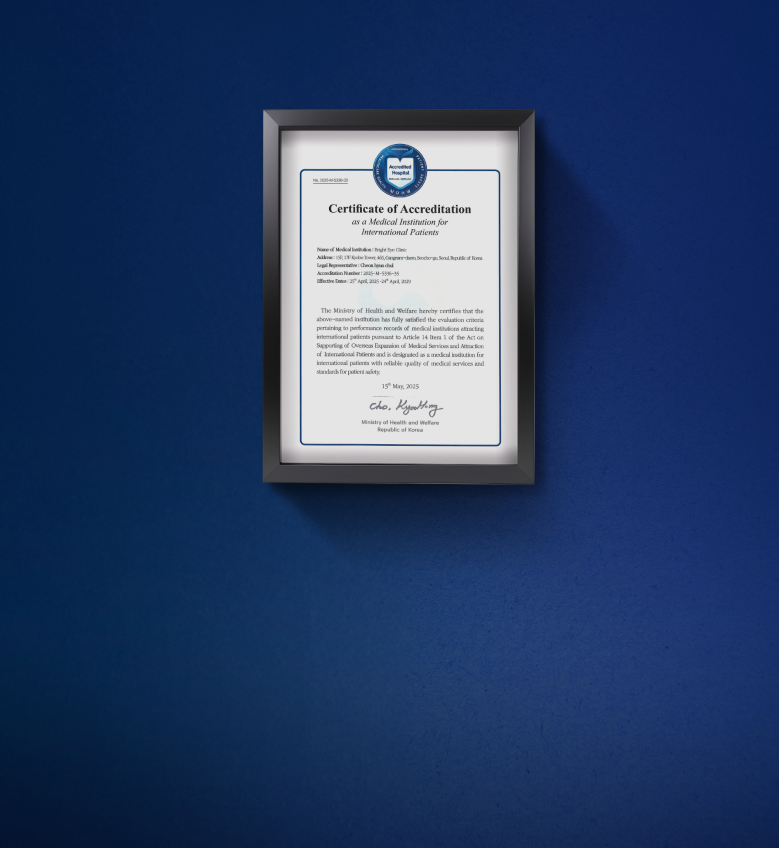
We are proud to announce that Bright Eye Clinic has been officially certified by the Korean Accreditation Program for Hospitals Serving Foreign Patients (KAHF) — and notably, we are the only ophthalmology clinic in Seoul to receive this prestigious recognition.
This certification, awarded by the Korea Health Industry Development Institute (KHIDI) under the Ministry of Health and Welfare, affirms our commitment to delivering safe, reliable, and patient-centered care for international visitors.

Integrated Care System for International Patients
At Bright Eye Clinic, we have developed a fully integrated system specifically designed for the needs of foreign patients. From your first inquiry to post-treatment care, we offer a seamless and supportive experience that includes:
|
· Multilingual support (English, Chinese, Russian, etc.)
· Dedicated international patient coordinator assigned
· Personalized explanations and treatment plans tailored to each patient
· Prompt and efficient scheduling of appointments and procedures
· Transparent pricing and assistance with visa and insurance documentation
|
Our team supports every step of the treatment journey with clear communication and empathy, while respecting each patient’s cultural background. This allows our patients to focus solely on their treatment and recovery with peace of mind.

Meaning of KAHF Accreditation
KAHF is an official certification program supported by the government of the Republic of Korea. It comprehensively evaluates the quality of medical care for foreign patients, patient safety, communication capabilities, facilities, and administrative systems. The main evaluation criteria include the following:
|
· Foreign patient specialized system (44 items)
· Foreign patient management system, multilingual interpretation and guidance services, etc.
· Respect for patient rights and prevention of medical disputes
· Patient safety system (92 items)
· Patient care procedures, facility and environmental infection control
· Management of pharmaceuticals and medical
devices, emergency response system
|
Bright Eye Clinic not only meets these rigorous standards but exceeds them, earning recognition as a leading international medical institution representing the Republic of Korea.

Ophthalmic Care Where Advanced Technology Meets Warm Compassion
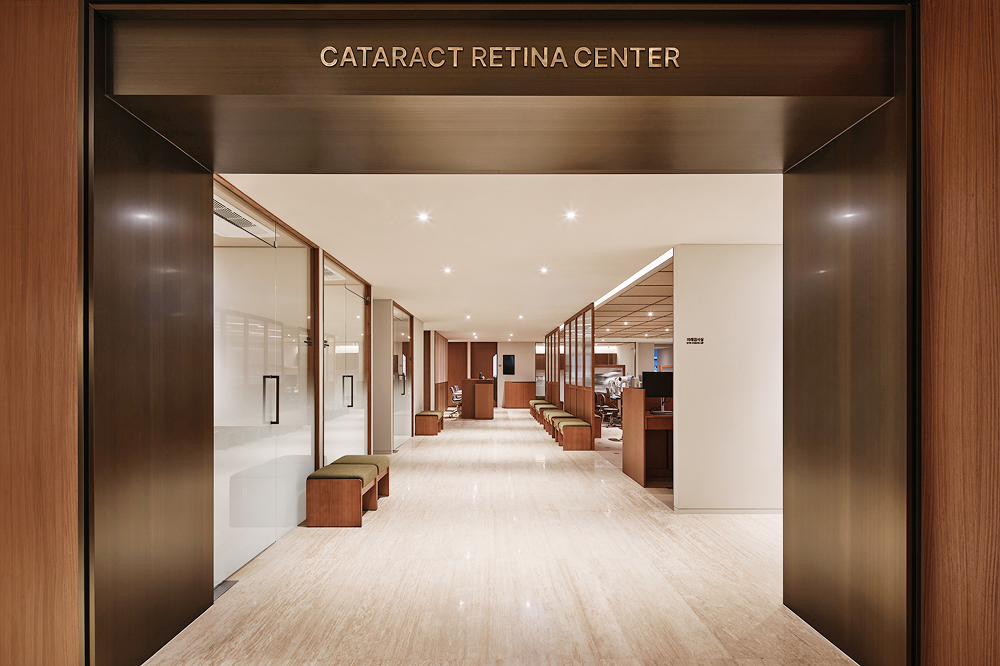
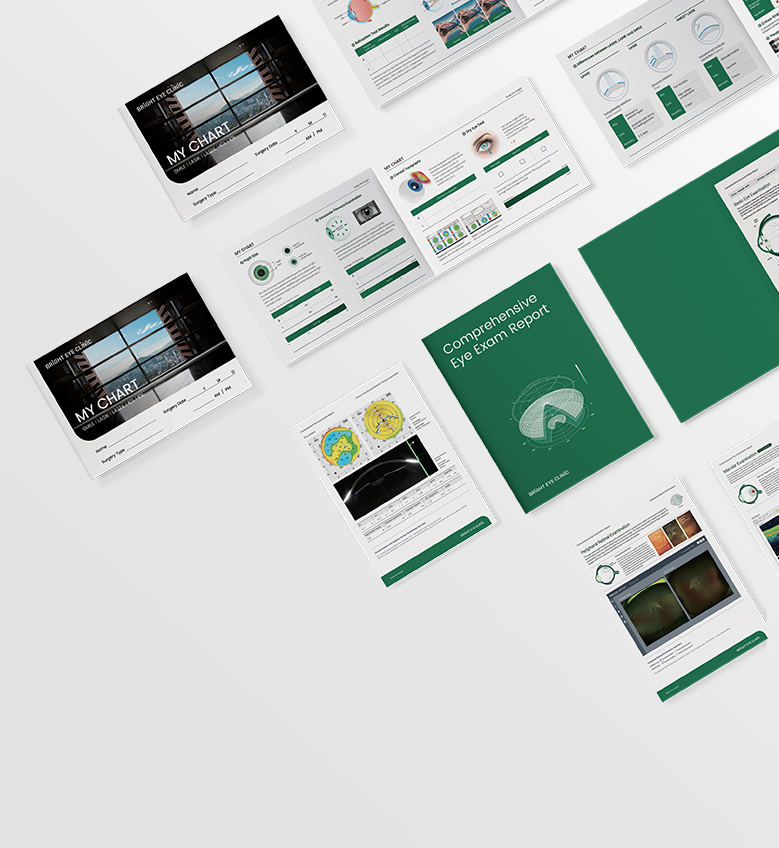
Bright Eye Clinic specializes in state-of-the-art ophthalmic treatments including SMILE, LASIK, LASEK, cataract surgery, and comprehensive precision eye examinations. Our ophthalmologists utilize the latest diagnostic and surgical equipment to deliver accurate and safe treatment outcomes.

Your Trusted Vision Partner in Seoul
Being the only KAHF-accredited ophthalmology clinic in Seoul is not just an honor—it is proof that Bright Eye Clinic has established a patient-centered care environment for international patients. Bright Eye Clinic is a trusted ophthalmology specialist not only for medical tourists visiting Korea but also for foreign residents living in the country. Experience personalized, world-class medical services right in the heart of Seoul at Bright Eye Clinic.
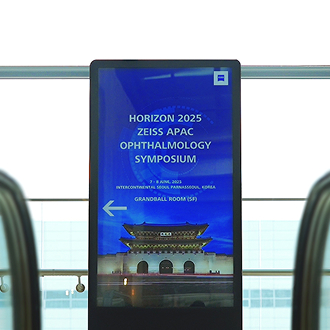
HORIZON 2025 ZEISS APAC
OPHTHALMOLOGY SYMPOSIUM
Proving Bright Eye Clinic’s Global Leadership


In 2025, the ZEISS HORIZON SYMPOSIUM, where global leaders in ophthalmology gather together, was grandly held in Korea.

SMILE® Pro Research Presentation
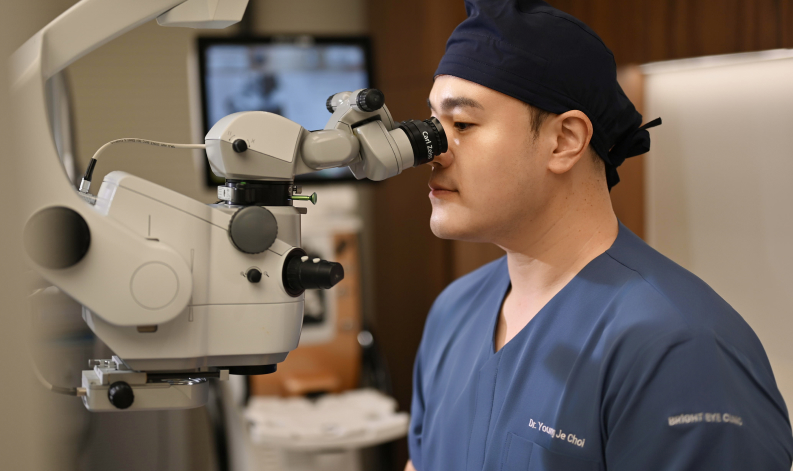
Dr. Choi Young Je, Bright Eye Clinic Gangnam

Dr. Choi Young Je was selected as a “Young SMILE LASIK Doctor” at this symposium and drew great attention by presenting research on the next-generation vision correction procedure, SMILE Pro. His presentation, titled “Short-term clinical outcomes of hyperopia correction using the Visumax 800,” covered the latest technology that expands SMILE surgery — previously focused on correcting myopia — to also treat hyperopia, thus presenting new possibilities in vision correction and attracting significant interest.

In recognition of his academic contribution, Dr. Choi was honored with a plaque of appreciation at the symposium.
Chief Director Q&A
Dr. Cheon Hyun Chul, Bright Eye Clinic Gangnam

During the symposium, ophthalmology experts from around the world visited Bright Eye Clinic Gangnam Kyobo Tower to directly experience the clinic’s vision correction system and surgical expertise. In particular, there was a continuous stream of questions about Dr. Cheon Hyun Chul’s surgical philosophy and the clinic’s operational system, highlighting Bright Eye Center as a model many doctors from across the globe aspire to learn from.

Far more visitors than originally expected attended, clearly demonstrating the global status and technological excellence of Bright Eye Clinic.

With the 2025 Zeiss Horizon Symposium as a turning point, Bright Eye Clinic will further strengthen its collaborative network with medical professionals worldwide and lead the future of vision correction together. In particular, as the first in Korea to proactively introduce SMILE LASIK and to achieve the remarkable milestone of 100,000 cases independently, Bright Eye Clinic will continue to solidify its position in the global market based on its technological excellence and trust.
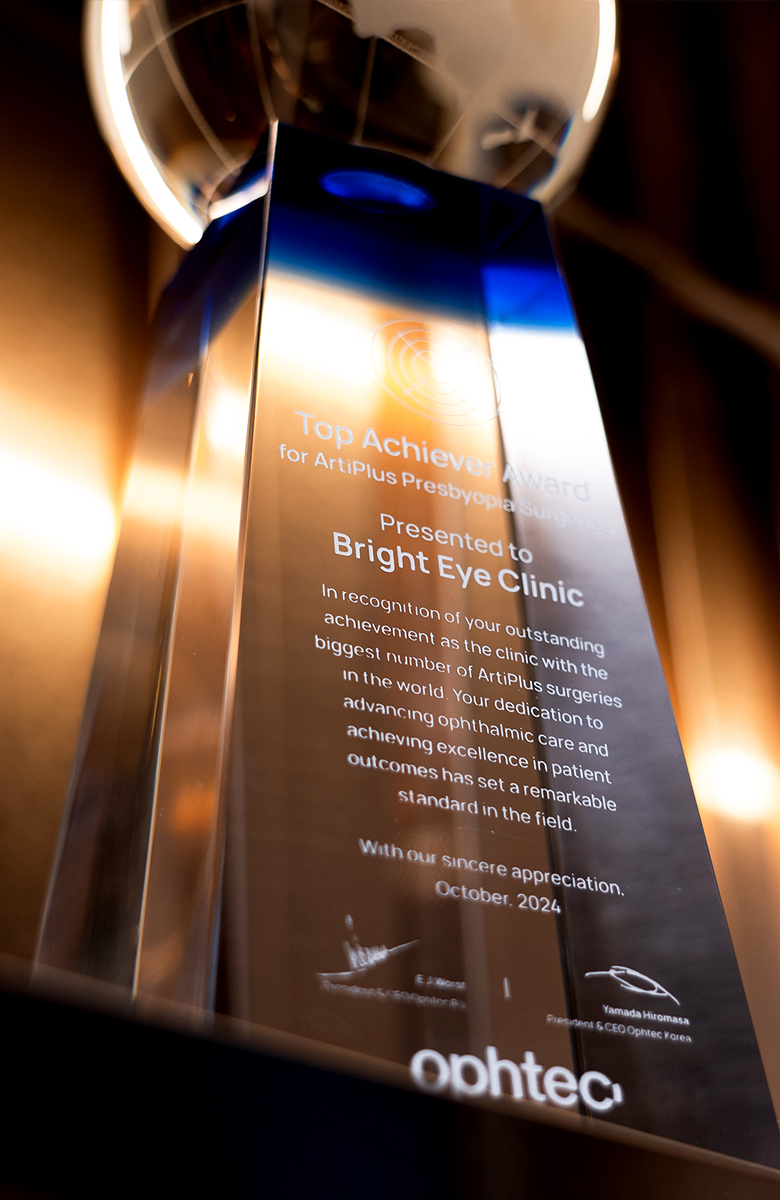
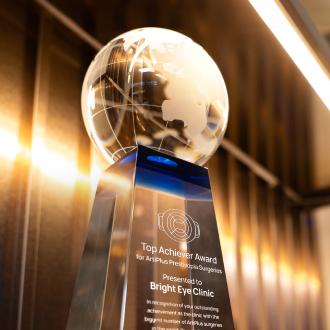
Presbyopia Lens Implantation Surgery (ArtiPlus) Award for Highest Number of Surgeries Worldwide

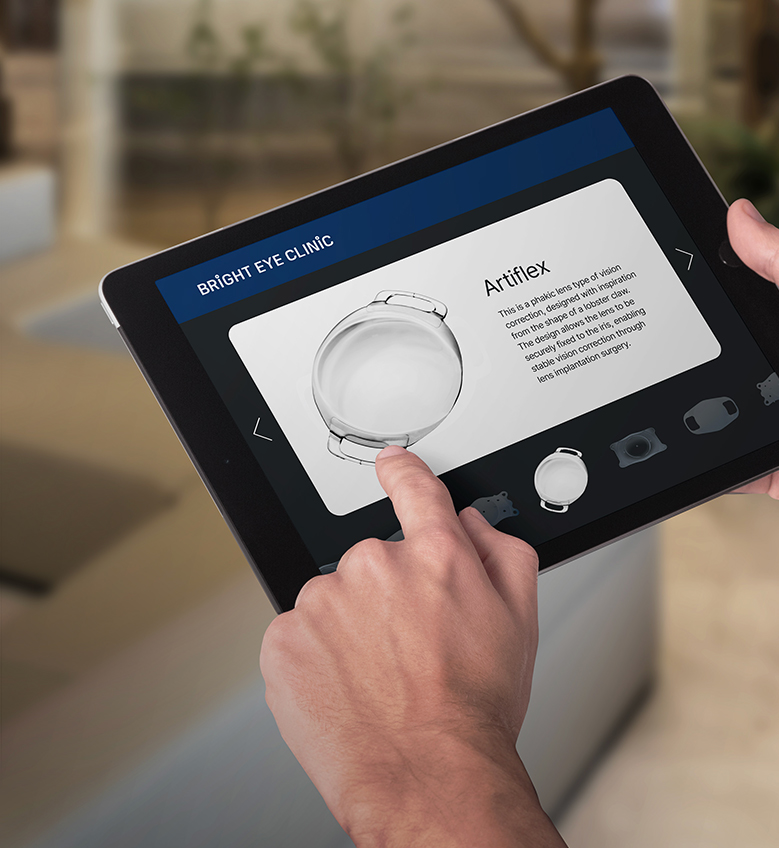
Following its recognition in 2023, Bright Eye Clinic has once again been awarded for performing the highest number of presbyopia lens implantation surgeries (ArtiPlus) worldwide this year. This vision correction procedure utilizes the ArtiPlus lens, developed from the long-established and proven Artiflex lens, ensuring both innovation and reliability.
Recognizing the rising prevalence of presbyopia among individuals in their 40s and 50s, Bright Eye Clinic has partnered with Opthec, a Dutch ophthalmic company, in joint research efforts to popularize presbyopia lens implant surgery. These efforts have paved the way for a new era where presbyopia can be corrected without requiring cataract surgery.
Bright Eye Clinic remains committed to advancing presbyopia lens implantation technology through ongoing research and significant investments, striving to bring better vision to more patients.
Bright Eye Clinic Gangnam
ZEISS Korea SMILE Forum Research Presentation

On November 16, the SMILE Forum hosted by ZEISS Korea welcomed over 200 medical professionals from across the country, including Bright Eye Clinic, to exchange knowledge on advancements in SMILE surgery.

Among the participants, Dr. Hyun-Chul Cheon, the Representative Director, presented research findings based on surgical data collected from international patients treated at Bright Eye Clinic this year. His presentation highlighted that Korea’s and Bright Eye Clinic’s outstanding SMILE technology can be applied to patients worldwide.
Today, Bright Eye Clinic is sought out by patients from over 40 countries. With a database of over 100,000 SMILE procedures, the clinic can perform safe and precise surgeries tailored to various eye conditions, taking into account factors such as age and ethnicity. As Bright Eye Clinic continues to expand globally, it remains committed to advancing SMILE research and presentations, enhancing the prestige of Korean ophthalmic technology, and leading the way to a clearer world.
Bright Eye Clinic accepts insurance claims from U.S.-based insurance providers

Please confirm the terms and detailed information with our clinic in advance.
Inquiry E-mail : business@brightlife.co.kr
Eligible insurers

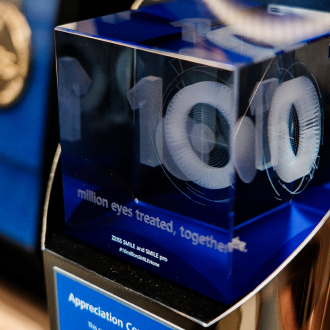
Bright Eye Clinic’s Contribution to 10,000,000 SMILE Cases

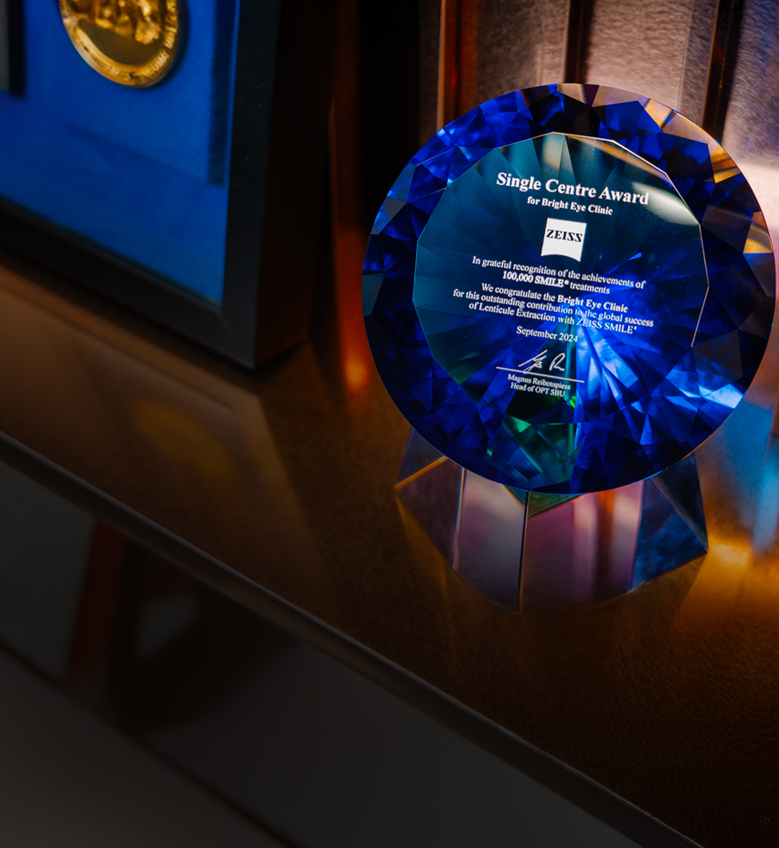
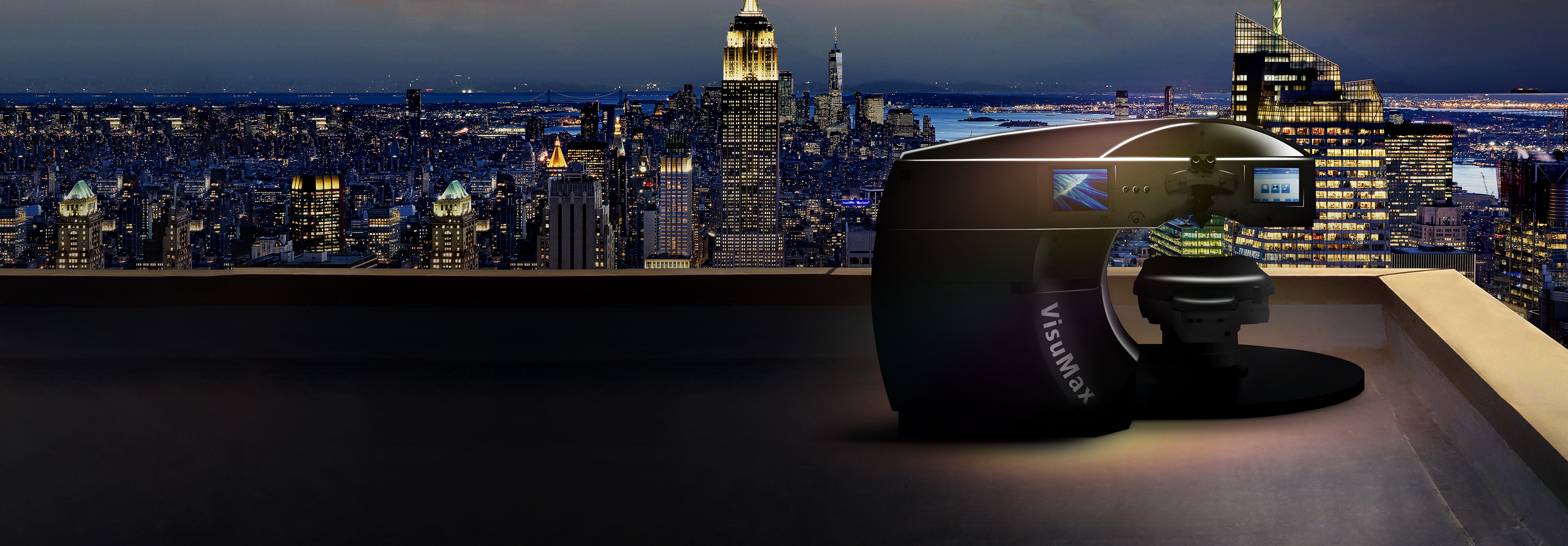
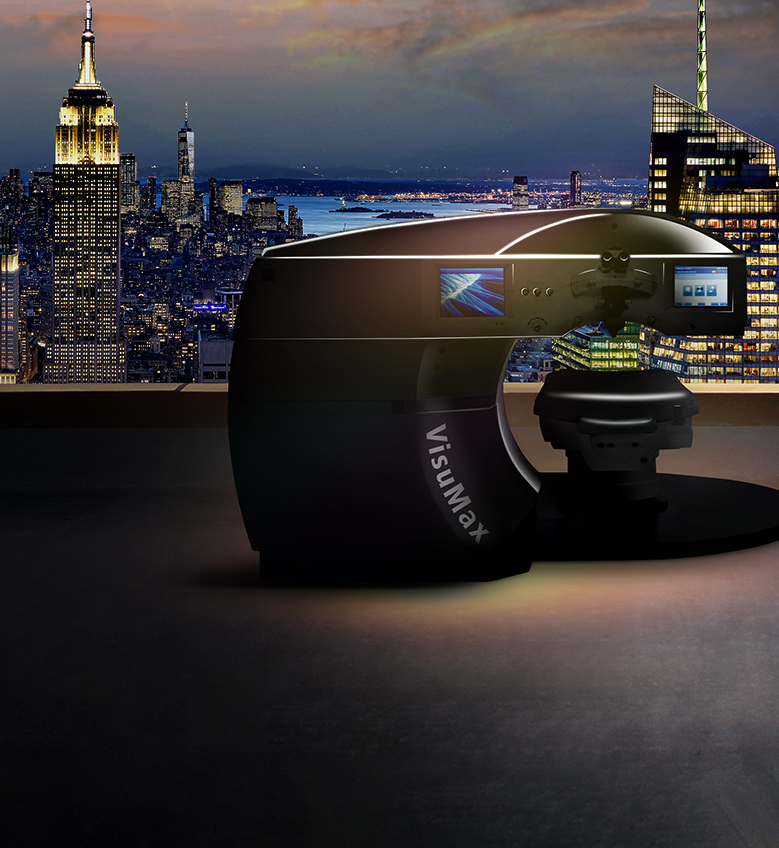
SMILE has achieved 10,000,000 cases worldwide, making it the leading vision correction procedure globally. Bright Eye Clinic, which first introduced the VisuMax in Asia, has collaborated with ZEISS through joint research to advance SMILE. In recognition of its contributions, the clinic was awarded the “10,000,000 Cases Contribution Award” by ZEISS headquarters. With a vast database of over 100,000 SMILE surgeries, alongside exceptional technology and facilities, Bright Eye Clinic is committed to delivering perfected SMILE procedures to patients worldwide.
Bright Eye Clinic Gangnam achieves 100,000 SMILE Cases

On the 15th of November Bright Eye Clinic Gangnam Kyobo Tower was awarded a certification for achieving 100,000 SMILE cases during a ceremony held at ZEISS headquarters.
In 2009, Bright Eye Clinic became the first in Asia to introduce the SMILE surgical equipment, VisuMax, at the Gangnam Kyobo Tower. Together with ZEISS, the clinic has been shaping both the beginning and the future of SMILE.
SMILE‘s rise to the top as the world’s leading vision correction procedure and the relentless progress of Bright Eye Clinic have only been possible thanks to the trust of our valued customers.
Going forward, we will continue to deliver a clearer world through Bright Eye Clinic‘s perfected SMILE procedure.



















 To view profiles


































 Write a Google review







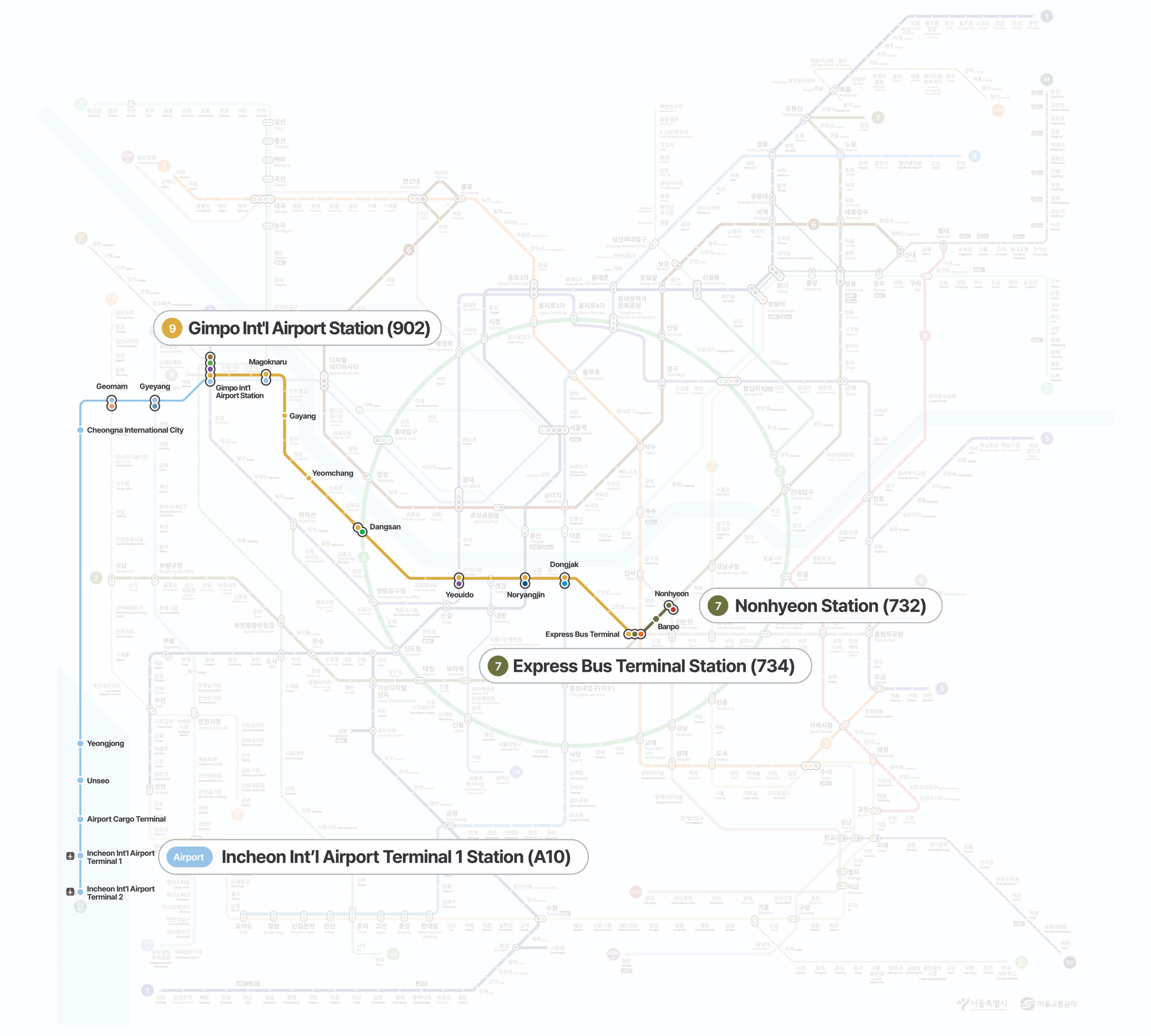
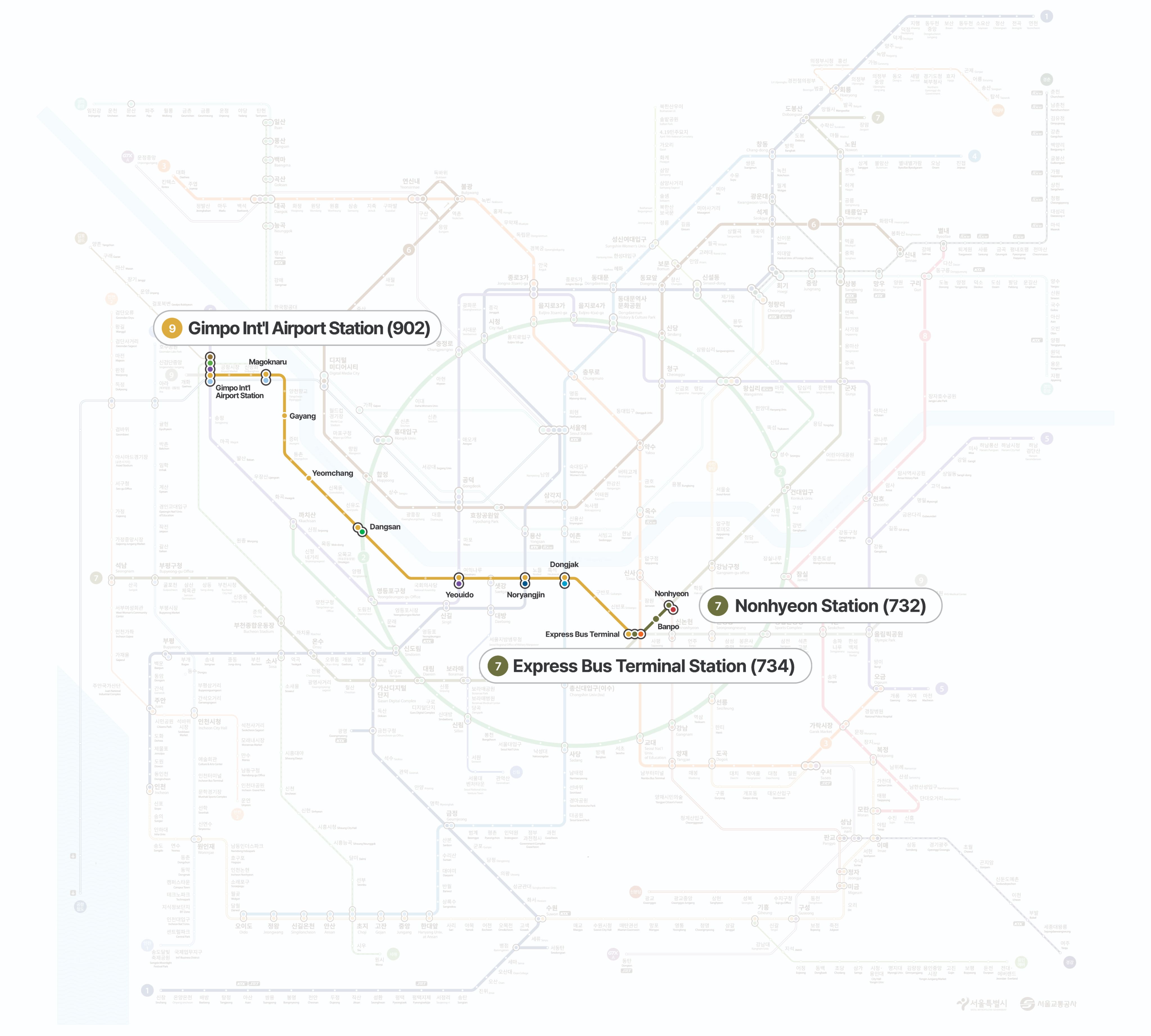
 How to get to from the airport
 Airport Railroad
 Airport Bus
 Taxi
Taxi